




14 Jul “Anything You Say Can Be Used Against You” What Your Miranda Rights Mean
Under the law, anything voluntarily said or done is considered an admission and can be documented and used as evidence later on.
The Fifth Amendment protects your right not to incriminate yourself. It is reiterated within the Miranda rights as your right to remain silent. This right is important, because the things you say can be used against you in a court of law. When you speak to police, prosecution lawyers, or even a cellmate, your words can be used as evidence.
Your actions can also incriminate you. Things like resisting arrest, disposing of evidence, acting intoxicated, making rude gestures, or even throwing dirty looks can be used against you later on. So do your best to remain calm, cool, and collected.
How Can My Words and Actions Be Used in a Trial?
When the prosecution is building a trial against a defendant, they need concrete evidence. There are several ways that law enforcement can use your words and actions as evidence against you. For instance:
- Documentation: This can include police reports, old court documents to prove you have a criminal history (unless the record is sealed), emails, comments or posts on social media, or even handwritten journals.
- Video or audio recordings: Arizona is a one-party consent state, which means law enforcement could be recording you at any time, without your knowledge. Those recordings can be used later as evidence in court.
- Witness testimony: This can include the testimony of bystanders, accomplices, cell mates, and law enforcement officers (uniformed or plainclothes). Witnesses can testify to how you acted during your arrest or detention, and their descriptions of your behavior can sway a jury or judge the wrong way.
- Disposing of evidence: If law enforcement saw you get rid of evidence or you admitted that you ditched items used in a criminal act, this evidence can be used at trial.
- Scientific analysis: The results of a blood or urine test for drugs or a breath test for alcohol can be used later at trial.
What Should I Do If I Get Arrested?
If you are under arrest, stay cool and calm, and remain silent.
DO NOTHING, except to comply with orders (for example, sitting where directed).
SAY NOTHING, unless it is to ask for a lawyer. You do not have to answer any questions.
If you are being detained or questioned, ask if you are free to leave. If you are not free to leave, ask to speak with a lawyer and refuse to answer any questions until then.
Arrested in Scottsdale? Contact a Defense Lawyer ASAP
A good defense lawyer will make sure you are treated fairly and that your rights are not violated. They will advise you on how to behave and how to answer questions, so that you don’t accidentally incriminate yourself.
If you need a lawyer in Scottsdale, the certified defense team at Coolidge Law can help. We give every single case our personal attention, and we’re here to fight on your side. Contact us today to request a consultation.
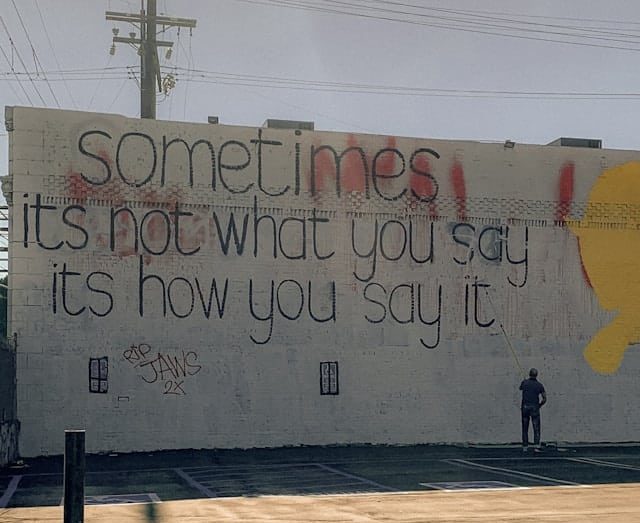
Photo by Andrew Valdivia on Unsplash used with permission under the Creative Commons license for commercial use 7/14/26.

Todd Coolidge graduated magna cum laude from the University of Wisconsin-Oshkosh in 1984 with a Bachelor of Science degree in Criminal Justice. He attended Arizona State University College of Law and has been practicing law exclusively as a criminal defense attorney since graduating in 1990. He has over 25 years of experience and is certified as a Criminal Law Specialist through the Arizona Board of Legal Specialization.